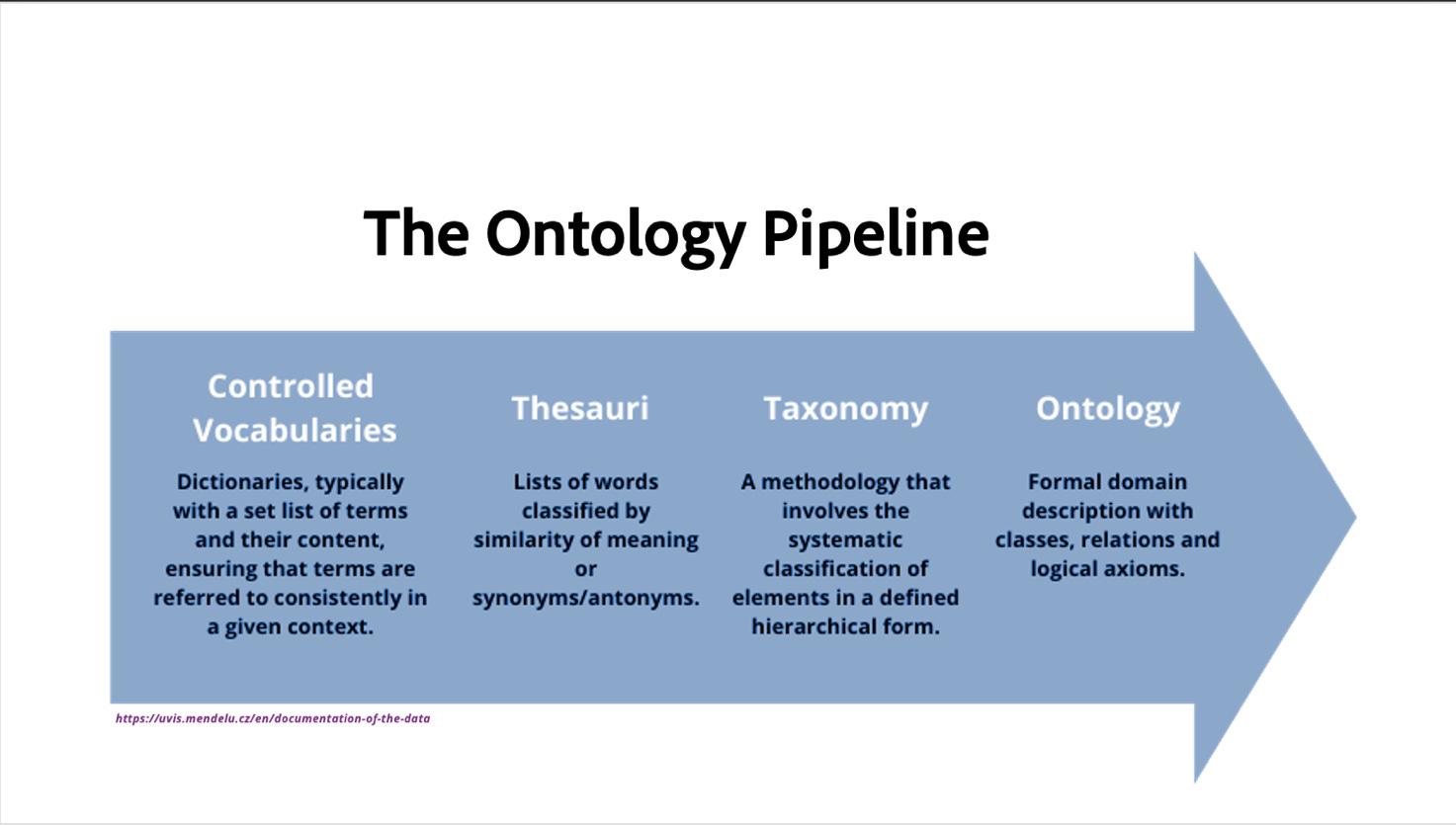
In the realm of the Semantic Web, the disciplines of computer science and library information science converge to streamline the retrieval and exchange of knowledge. The constructs of taxonomies and ontologies lie at the heart of this collaboration, each with unique utilities and perspectives from their respective fields.
Understanding Taxonomies and Ontologies
Comprehension of structured hierarchical vocabularies is essential for managing digital information, with ontologies often associated with computer science, and taxonomies with library and information science. This distinction underscores divergent approaches towards making data not only findable but also interpretable.
User Login: A Case for Custom Taxonomies
In the context of a website's user login mechanism, a taxonomy could categorize user roles, leading to enhanced understanding and navigation for administrative purposes.
Talking to the CS Folks: Ontologies at Work
Engaging with computer science professionals reveals the pervasive use of ontologies for data reuse and exchange, critical for facilitating intelligent software interactions.
Comment Viewing Options: Enhanced by Ontologies
Ontologies can power the backend of comment sorting and display options, creating logical relationships that enhance the user experience.
Partners in Information: Collaboration Across Disciplines
The synergies between librarians' organizational skills and computer scientists' technical capabilities underscore the importance of shared expertise in advancing the Semantic Web.
Easy Navigation: The Role of Taxonomies
Taxonomies streamline how users navigate vast information repositories, offering a guided and user-centric way to locate content.
Syndicate this Content: Sharing with Ontologies
Ontologies facilitate content syndication across platforms by standardizing data structures and enabling seamless content reuse.
Main Differences: Emphasis on Inheritance
CS Perspective on Inheritance
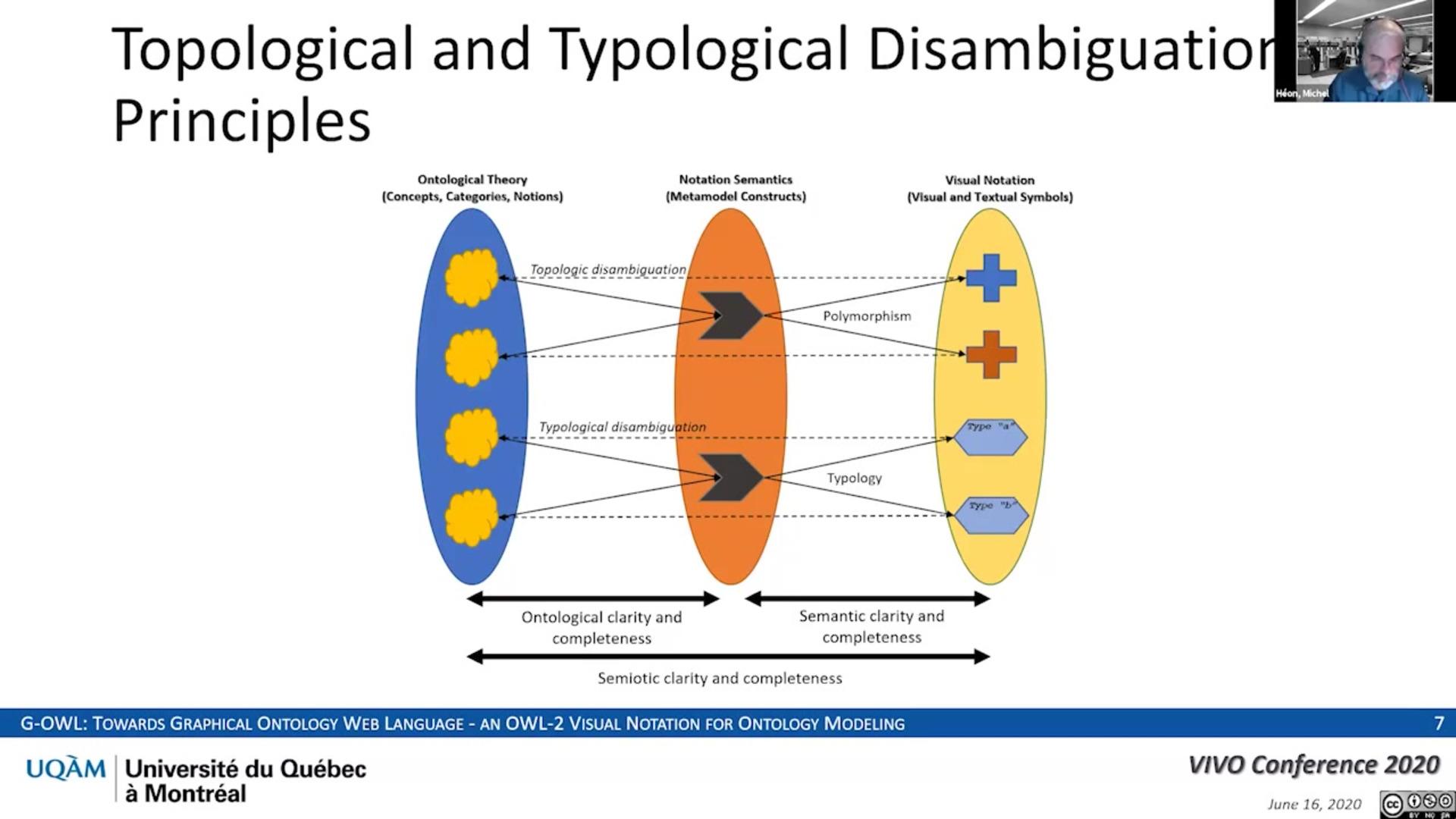
For software developers, hierarchies informed by inheritance principles are instrumental in decision-making processes for machines, allowing them to make assumptions about data relationships.
LIS Approach to Inheritance
From the librarian's viewpoint, taxonomies serve as educational tools that aid patrons in the discovery and comprehension of related subjects.
Topic Maps as the New Web Infrastructure
As an emerging international standard, topic maps offer sophisticated taxonomy systems, eschewing the need for embedded metadata and advancing the organization of web content.
| Concept | Utility in CS | Utility in LIS |
|---|---|---|
| Inheritance | Data property deduction for machines | Patron education and information discovery |
| Topic Maps | Data linking and advanced navigation | Web organization by subject |
Conclusion: Envisioning the Future of Information Retrieval
The symbiotic relationship between taxonomies for mapping information and ontologies for data interoperability is central to realizing the full potential of the Semantic Web. For travelers seeking relevant and quick information on destinations or accommodations, the systemization of online content using taxonomies and ontologies makes the process more intuitive and efficient. Just as travelers rely on organization in guidebooks or hotel databases, the Semantic Web applies similar principles to ensure that information in the digital realm can be accessed effortlessly and meaningfully, regardless of topic or purpose.
Cartagena
- Casa Mara
- Manzanillo Beach
- Hotel Oz Luxury
- Hotel Las Islas
- Hilton Cartagena
- Osh Hotel Getsemani
- Bastion Hotel Cartagena
- Radisson Cartagena
- Hotel Casa Don Luis By Faranda Boutique
- Sofia Cartagena
- Mango Biche
- Movich Hotel Cartagena
- Charleston Santa Teresa Cartagena
- Casa San Agustin Cartagena
- Hotel Regatta Cartagena
- Casa Claver Loft Boutique Hotel
- Wala Beach Club
- Arsenal Hotel Cartagena
- Hotel Casa Canabal By Faranda Boutique
- Amara Living
- Hotel Boutique Casa Del Coliseo
- Aura Hotel Baru
- Santa Catalina Hotel Cartagena
- Hotel Capellan De Getsemani
- Voila Centro Historico
- Getsemani Cartagena Hotel
- Townhouse Rooftop Cartagena
- Viajero Cartagena Hostel
- Meliá Cartagena Karmairi
- Hotel San Martin
- Holiday Inn Express Cartagena
- Hotel Zi One Luxury Cartagena
- Costa Del Sol Cartagena
- Casa Pestagua
- Coco Beach Hotel Cartagena
- Isla Matamba
- Hotel Bocagrande By Geh Suites
- Hotel Las Americas Resort
- Ethnic Thematic Hotel Cartagena
- Hotel La Passion Cartagena
- Hotel India Catalina Cartagena
- Ghl Armeria Real
- Hotel Casa Lola Deluxe Gallery
- Best Place To Stay In Cartagena