Introduction to Work Practice-Based Design
Within the ever-evolving realm of digital information, the focus on user-centric design approaches has become paramount. Work practice-based design stands at the forefront of these endeavors, especially concerning digital libraries and information systems. This methodology prioritizes the workflows and behaviors of individuals within their respective environments, ensuring that technological solutions are molded to support and enhance user productivity and satisfaction.
Understanding the Core of Work Practice-Based Design
The essence of work practice-based design lies in its attentive study of how people interact with information in their daily routines. By leveraging this understanding, designers can create digital tools that not only align with users' needs but also anticipate and facilitate their work processes. This approach promotes efficiency and a seamless integration of digital libraries within the fabric of workplace activities.
The Influence of Social Informatics
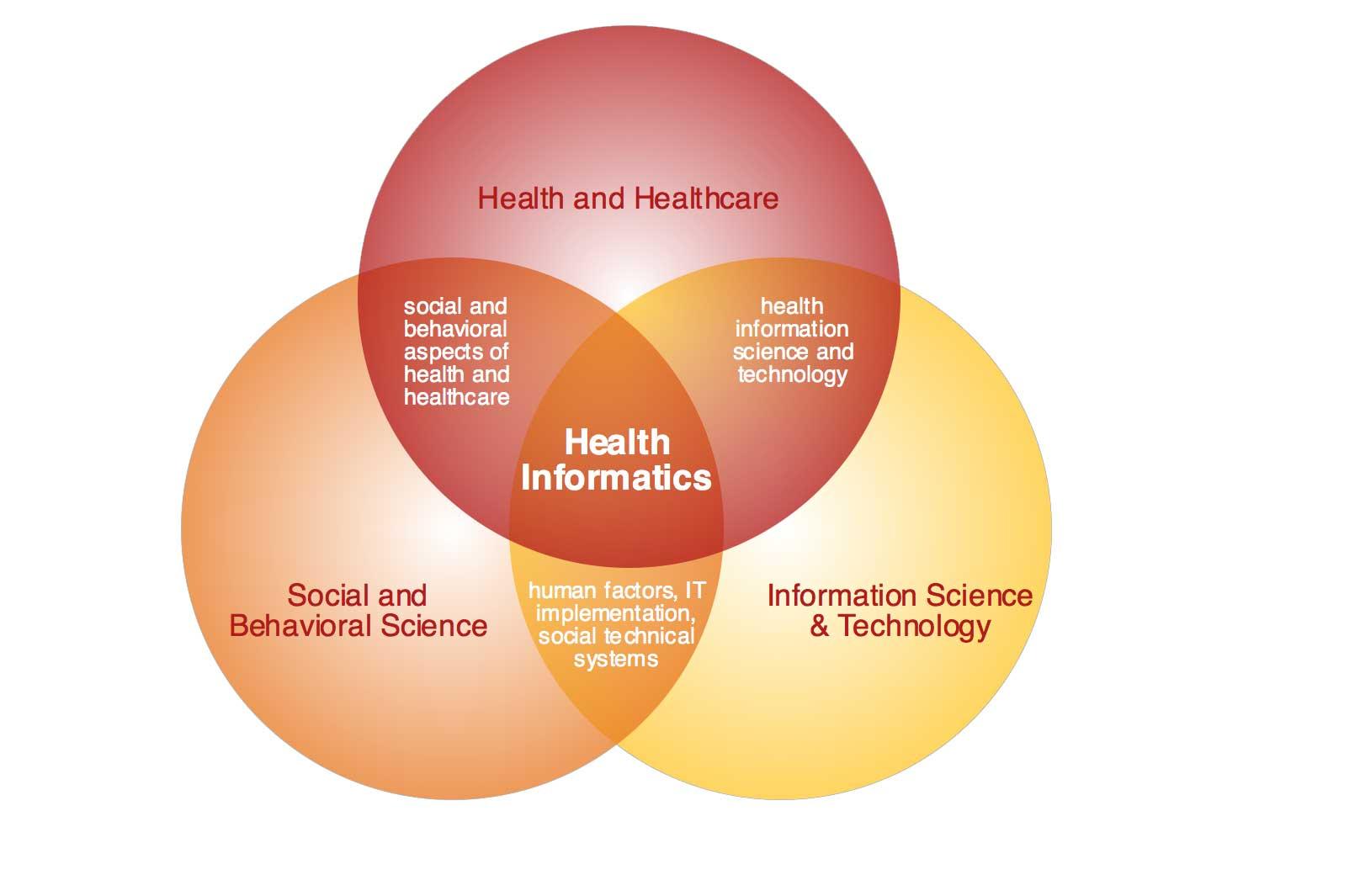
Social informatics plays a crucial role in shaping work practice-based design. This interdisciplinary field examines the social aspects of computerization, offering valuable insights into how social contexts influence the development and use of information technologies. Incorporating social informatics principles ensures that designs are not only technically sound but also socially informed and culturally aware.
The Design Process in Action
At its core, the design process within this specialized area is iterative and collaborative. It involves ongoing engagement with end-users, incorporating their feedback, and observing their interaction with systems to identify areas of improvement. This hands-on approach enables continuous refinement of digital libraries, ensuring they remain effective tools that empower users in their information-seeking tasks.
Real-World Application: Designing for Impact
The practical application of work practice-based design can be observed in the creation of tailored digital libraries that serve specific communities or industries. By taking into account the unique workflows and information needs of these groups, designers can craft systems that greatly enhance the efficiency and effectiveness of their work, leading to more informed decision-making and innovation.
Fostering a Living, Adaptive System
Digital libraries designed with work practices in mind are not static; they evolve. As work practices and technological capabilities change, these systems adapt, maintaining their relevance and utility. This living aspect ensures that users continue to have access to an information ecosystem that grows and changes with them, supporting their pursuits and information needs over time.
Producing Results: Success Stories

The proof of this design philosophy's success can be seen in case studies and user testimonials. Organizations that have adopted work practice-based digital libraries report higher levels of user engagement, more effective information retrieval, and a marked increase in collaborative efforts. These outcomes illustrate the tangible benefits that come from a design that is deeply rooted in the real-world practices of users.
Conclusion: The Path Forward
As digital libraries continue to serve as pivotal resources for information access, the design approach that weaves together technology and human work practice is no longer a luxury but a necessity. By fostering systems that resonate with user needs and practices, designers can contribute to a more knowledgeable and efficient society, ready to face the complexities of the digital age.
Share Your Thoughts
We encourage readers to engage with this topic and share their experiences. How have work practice-based designs impacted your interaction with digital libraries or information systems? The conversation continues, and your insights are valuable to this ever-growing field of study.
Cartagena
- Casa Mara
- Manzanillo Beach
- Hotel Oz Luxury
- Hotel Las Islas
- Hilton Cartagena
- Osh Hotel Getsemani
- Bastion Hotel Cartagena
- Radisson Cartagena
- Hotel Casa Don Luis By Faranda Boutique
- Sofia Cartagena
- Mango Biche
- Movich Hotel Cartagena
- Charleston Santa Teresa Cartagena
- Casa San Agustin Cartagena
- Hotel Regatta Cartagena
- Casa Claver Loft Boutique Hotel
- Wala Beach Club
- Arsenal Hotel Cartagena
- Hotel Casa Canabal By Faranda Boutique
- Amara Living
- Hotel Boutique Casa Del Coliseo
- Aura Hotel Baru
- Santa Catalina Hotel Cartagena
- Hotel Capellan De Getsemani
- Voila Centro Historico
- Getsemani Cartagena Hotel
- Townhouse Rooftop Cartagena
- Viajero Cartagena Hostel
- Meliá Cartagena Karmairi
- Hotel San Martin
- Holiday Inn Express Cartagena
- Hotel Zi One Luxury Cartagena
- Costa Del Sol Cartagena
- Casa Pestagua
- Coco Beach Hotel Cartagena
- Isla Matamba
- Hotel Las Americas Casa De Playa Cartagena Colombia
- Ethnic Hotel Cartagena
- La Passion Hotel Boutique Cartagena
- Best Place To Stay In Cartagena