
In the world of web design and user experience, understanding the interaction between analytics and information architecture is paramount. Recent discussions on the IA Institute's member mailing list have highlighted the significance of this connection. Jeff Lash, a prominent figure in the industry, has underscored the importance of integrating user data into the scaffolding of a website by pointing out three compelling articles by Hurol Inan on the subject.
User Login: The Portal to Personalized Insights
User login areas are not just about authentication and security. They are data hubs that can offer profound insights into individual behaviors and preferences. These insights can influence the structural design of a website to foster an intuitive and user-centric experience.
- Account Creation Timestamps
- Frequency of Visits
- User Journey Mapping
Partnerships: Strengthening the Web with Shared Data
Partnerships in the digital realm often revolve around the sharing of analytics and best practices. Aligning information architecture strategies between partners can lead to a more cohesive user experience across different platforms and services.
| Partner | Contribution | Benefit |
|---|---|---|
| Content Providers | Engagement Metrics | Better Content Placement |
| E-commerce Platforms | Conversion Data | Optimized Checkout Flows |
Sorry: Understanding User Sentiment and Feedback
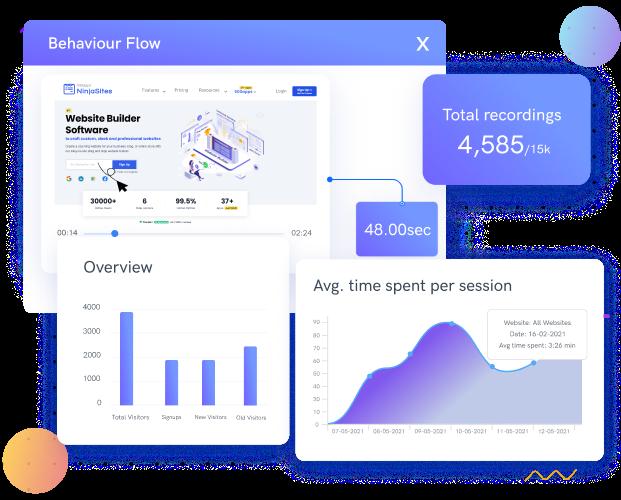
When users express dissatisfaction, they provide invaluable feedback that can be used to refine the information architecture of a website. Crafting apology pages and feedback systems requires a nuanced analysis of where and why users encounter problems.
- Analyze Bounce Rates on Error Pages
- Assess Frequency of Support Queries
- Track Resolution Success Rates
Navigation: The Compass of User Experience
The architecture of a website's navigation system can make or break the user experience. Analyzing user paths through web analytics enables designers to create intuitive and responsive navigation layouts that guide visitors seamlessly through content.
Syndication: Amplifying Reach Through User Data
Content syndication strategies benefit greatly from understanding the demographics and behaviors of user segments. This data-driven approach can expand a website’s reach by targeting and tailoring content for different channels.
On the IA Institute's Member Mailing List
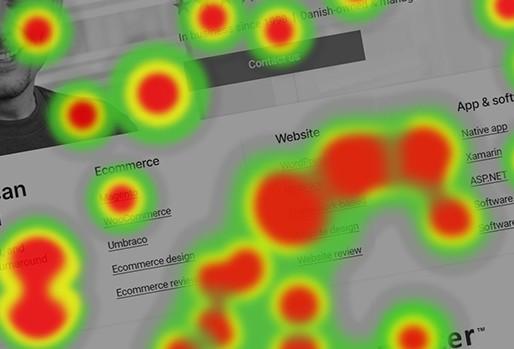
Community-based resources like the IA Institute's member mailing list serve as treasure troves of shared knowledge, including the underpinning relationship between information architecture and user data analysis.
Web Analytics — The Voice of Users in Information Architecture Projects
Jeff Lash brought attention to the crucial role of web analytics in giving voice to user preferences and behaviors in the development of website information architecture. By leveraging this data, architects can ensure their design decisions resonate with real user needs and actions.
Information Architecture — The Key to HTML Email Optimization
Email marketing campaigns often overlook the application of information architecture principles. Hurol Inan suggests that through careful analysis of user interactions with HTML emails, information architects can optimize email content for engagement and conversion.
Concluding Thoughts on Travel and Hotels
The nexus of information architecture and analytics can extend beyond websites to encompass the travel and hotel industry. By analyzing customer booking patterns, hoteliers can enhance their digital platforms to provide travelers with more intuitive booking experiences, personalized offers, and useful content, thereby elevating the overall customer journey in the world of hospitality.
Cartagena
- Casa Mara
- Manzanillo Beach
- Hotel Oz Luxury
- Hotel Las Islas
- Hilton Cartagena
- Osh Hotel Getsemani
- Bastion Hotel Cartagena
- Radisson Cartagena
- Hotel Casa Don Luis By Faranda Boutique
- Sofia Cartagena
- Mango Biche
- Movich Hotel Cartagena
- Charleston Santa Teresa Cartagena
- Casa San Agustin Cartagena
- Hotel Regatta Cartagena
- Casa Claver Loft Boutique Hotel
- Wala Beach Club
- Arsenal Hotel Cartagena
- Hotel Casa Canabal By Faranda Boutique
- Amara Living
- Hotel Boutique Casa Del Coliseo
- Aura Hotel Baru
- Santa Catalina Hotel Cartagena
- Hotel Capellan De Getsemani
- Getsemani Cartagena Hotel
- Townhouse Rooftop Cartagena
- Viajero Cartagena Hostel
- Meliá Cartagena Karmairi
- Hotel San Martin
- Hotel Zi One Luxury Cartagena
- Coco Beach Hotel Colombia
- Holiday Inn Cartagena Express
- Casa Pestagua Hotel Boutique Cartagena
- Cartagena Colombia Holidays